
Build a Better Dog-Training Reward Plan: Match the Reward to the Moment

9 min read
2 August 2026
Successful reward-based dog training involves more than carrying treats. A reward needs to matter to your dog, suit the situation and arrive at the right moment.
An exercise your dog knows well in a quiet room may require only modest encouragement. Practising that same behaviour near other dogs, unfamiliar smells or moving traffic is much harder. If the reward does not match the challenge, motivation can quickly fade.
The goal is to create a flexible plan instead of relying on one type of reward for every exercise.

Value Is Decided by the Dog
Food, play, praise, permission to sniff and access to something interesting can all serve as dog training rewards. Their value, however, depends on the individual dog and the circumstances. Dogs Trust's positive-reinforcement guidance similarly emphasises choosing something the dog actually wants and matching the reward to the activity and setting.
One dog may work enthusiastically for a small piece of food at home but prefer a quick game outdoors. Another may enjoy praise in relaxed situations yet need a more desirable food reward when distractions increase.
Watch what your dog does after receiving a reward. An effective reward usually leaves the dog willing and able to continue. If your dog refuses a reward it normally accepts or immediately redirects attention to the environment, the reward may not be valuable enough—or the situation may be too difficult. Consider the dog's whole body language and circumstances rather than treating one response as conclusive. If the dog becomes so excited that concentration disappears, the reward may be too stimulating for that exercise.
Assess the Whole Training Situation
Before choosing a reward, consider three factors:
- Task difficulty: Is this a new behaviour, a partially learned skill or something your dog can already perform reliably?
- Environmental difficulty: Are you training in a familiar room, a garden, a busy street or a place filled with dogs, people and scents?
- Your dog’s current state: Is your dog relaxed and ready to learn, or tired, worried, overexcited or uncomfortable?
These factors work together. A familiar cue can become difficult in a new environment, while a simple exercise may be challenging for a young or distracted dog. When several challenges appear at once, increase the value or frequency of reinforcement and make the task easier.
Distance is especially useful when distractions are involved. If your dog cannot respond close to a distraction, move farther away instead of repeatedly asking for the same behaviour. Dogs Trust likewise advises increasing distance or reducing a distraction's intensity when a dog cannot settle (Dogs Trust: train your dog to settle). Better positioning can improve motivation more effectively than simply offering a more desirable reward.
Create a Simple Reward Ladder
A reward ladder helps you decide how to reward a dog without improvising during every session. Begin with three broad levels.
Level 1: Everyday rewards
Use lower-intensity rewards for familiar behaviours in easy environments. These might include part of your dog’s normal food allowance, calm praise, brief affection or permission to continue walking and sniffing.
Level 2: Better rewards
Choose something more desirable when practising a developing skill, working around moderate distractions or asking for extra effort. Depending on the dog, this could be a small training snack, a favourite toy or a short game.
Level 3: Highest-value rewards
Reserve your dog’s strongest practical motivators for genuinely difficult moments, such as introducing an important new behaviour, working near powerful distractions or reinforcing an exceptional response. High-value rewards should be special enough to matter without making the dog too excited to learn.
Test your ladder rather than assuming it is correct. Offer two possible rewards in similar circumstances and observe which one leads to quicker, more enthusiastic re-engagement. Preferences can change, so review the ladder periodically.
Match Reward Format to the Session
Reward value is only part of the decision. Size, texture and ease of handling can also affect the flow of a session. Frequent reinforcement is easier when each food reward is small and quick to eat. A longer-lasting reward may be more suitable when you deliberately want to create a break.
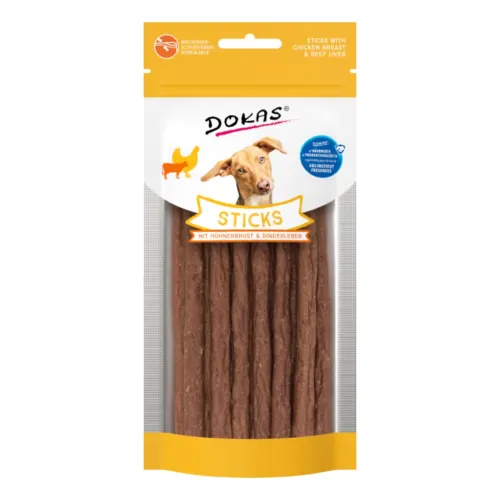
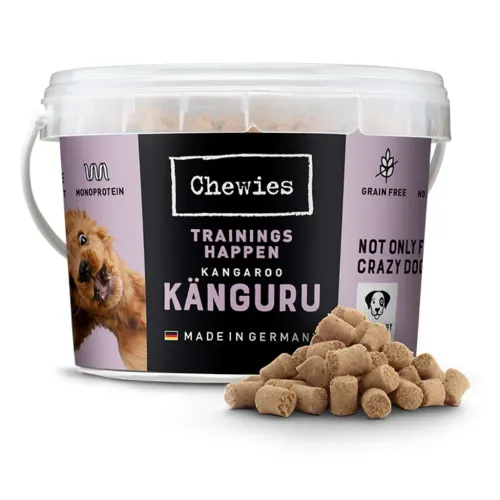
Ready-made small pieces can be convenient when you plan many repetitions. DOKAS Minis with duck breast are small training pieces supplied in a 70 g pack. Chewies Training Treats Kangaroo is another small format: soft, non-greasy, monoprotein treats in a 300 g pack containing 51% kangaroo meat and offal; the recipe is grain- and gluten-free, with no added sugar. These are manufacturer specifications, not independent evidence that either product will motivate every dog.
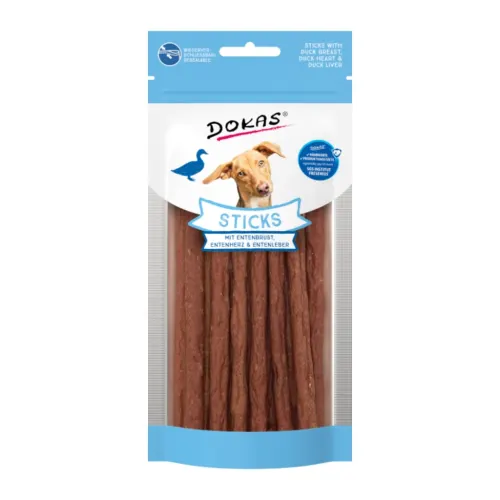
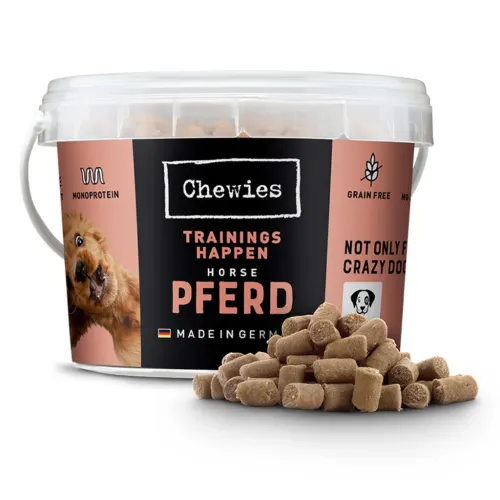
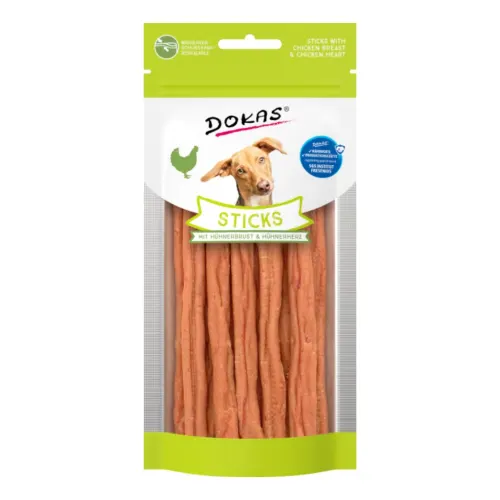
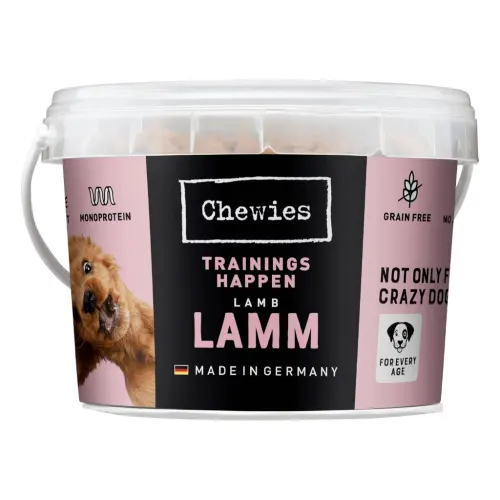
A cuttable treat gives the trainer more control over portion size. According to the Koiramo product specification, its 400 g duck training sausage contains 97% duck and less than 3% tapioca, plus minerals. The manufacturer describes its soft texture as easy to cut neatly into small pieces.
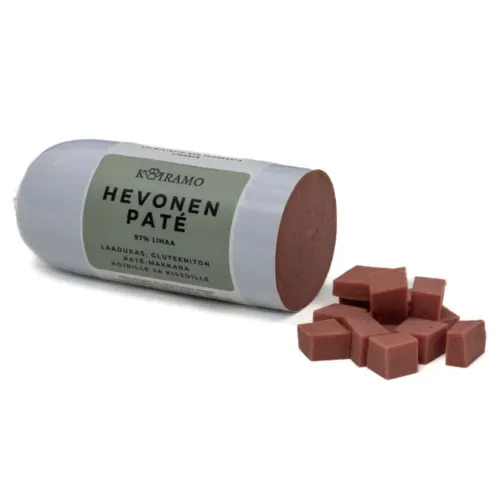
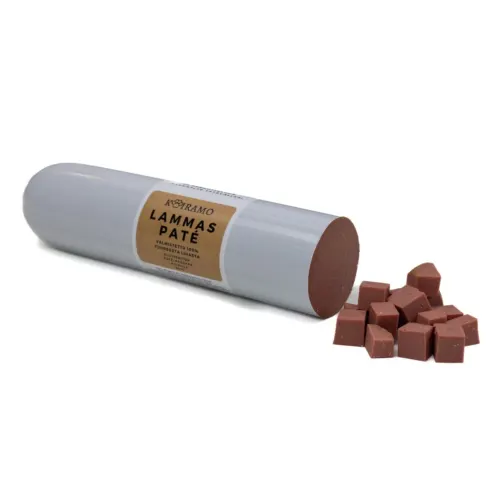
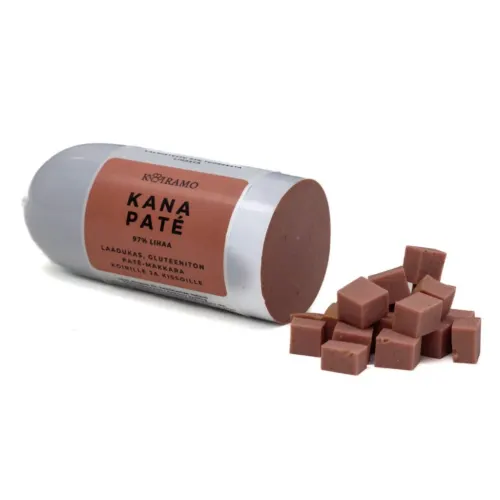
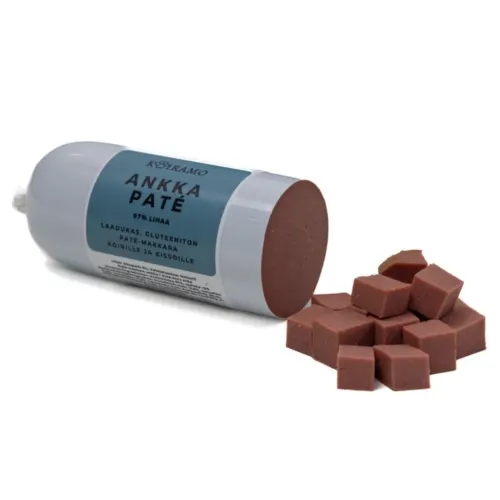
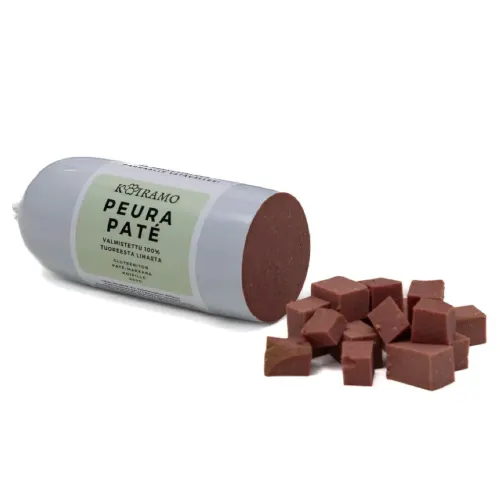
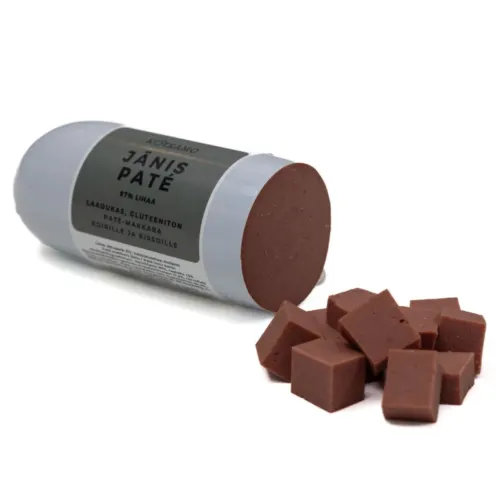
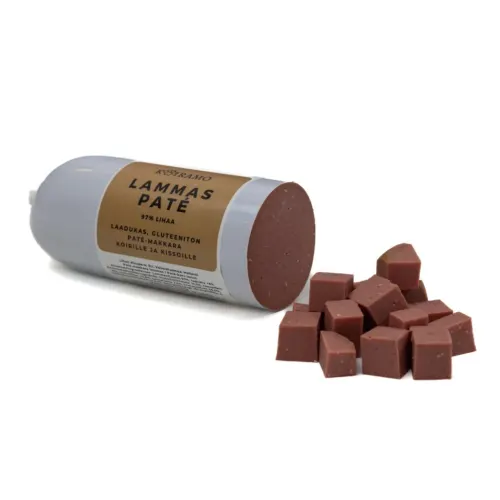
These characteristics do not determine which option an individual dog will value most. Treat them as practical considerations alongside your dog’s normal diet, preferences and dietary restrictions.
Begin Generously, Then Adjust
When teaching a new behaviour, reward each correct attempt or useful step towards the goal. Frequent reinforcement gives the dog clear information and helps establish a strong pattern.
Deliver the reward immediately after the response you intend to reinforce. A marker word or click can identify the precise moment, but it should consistently be followed by the reward. Dogs Trust provides a practical explanation of reward timing and marker use.
As the behaviour becomes confident and reliable, rewards can gradually become less predictable. You might acknowledge several easy responses with praise, then follow an especially good response with food or play. This variation can help maintain motivation without requiring food after every familiar cue.
Reduce reward frequency gradually and watch the result. If performance deteriorates, your dog hesitates or attention starts to drift, the change may have happened too quickly. Temporarily return to more frequent reinforcement, simplify the exercise and rebuild success.
Do not remove rewards simply because your dog has learned a behaviour. Reliable skills still benefit from reinforcement, particularly under difficult conditions. Real-life rewards—such as being released to greet, explore or move forward—can often help maintain familiar behaviours naturally.
Keep Sessions Short Enough to Stay Productive
Reward strategy and session length are closely connected. Even an appealing reward becomes less useful when a dog is mentally tired or physically full.
Avoid massing too many repetitions into one training block. In a controlled study of 44 laboratory Beagles, dogs given one session at a time acquired an obedience task more effectively than dogs given three consecutive sessions; the training schedule did not affect retention four weeks later (Demant et al., 2011). The study does not establish a universal ideal session length, so stop while your dog is still engaged, especially when teaching something new. Finishing with a simple exercise the dog knows well can provide a clear and successful ending.
Count repetitions as well as minutes. Fast-paced exercises can involve many rewards in a short period, while slower activities may require fewer. Decide how much food you will use before starting so that the session does not quietly become an extra meal.
Track Food Intake, Digestion and Motivation
Food used during positive reinforcement training contributes to your dog’s total daily intake. FEDIAF's healthy-weight guidance explains that treats and chews add calories, recommends limiting them to no more than 10% of daily energy needs and advises reducing the main meal accordingly. Make sure household members know how much has already been given.
Observe digestion and general comfort as well. Changes in stool, vomiting, itching, reduced appetite or other concerning symptoms deserve attention. Stop using a suspected food and consult a veterinarian if symptoms are persistent, severe or otherwise worrying.
A basic training log can make patterns easier to recognise. Record:
- where the session took place;
- which behaviour was practised;
- which reward was used;
- how often rewards were delivered;
- your dog’s attention and enthusiasm;
- any later digestive changes.
You do not need to document every crumb indefinitely. Even a few notes can reveal that a particular environment is too difficult, sessions are running too long or motivation changes with different rewards.
Signs Your Reward Strategy Needs Changing
Review your plan if you notice any of the following:
- Your dog refuses a reward that is normally appealing.
- Responses become slower over several repetitions.
- Your dog watches your hand or pocket instead of responding to the cue.
- Excitement prevents your dog from thinking or taking food calmly.
- A familiar behaviour repeatedly breaks down in one environment.
- Your dog disengages before the planned end of the session.
- Food rewards are affecting appetite, weight management or digestion.
- You need increasingly valuable rewards without seeing an improvement in training.
Treat these signs as useful information rather than disobedience. The task may be too hard, the environment too distracting, the reward poorly matched or your dog may not be ready to train. Adjust one variable at a time: increase distance, shorten the session, simplify the exercise, change the reward or take a break. Changing one factor at a time also makes it easier to identify what helps.
A Practical Pre-Session Check
Before each session, ask:
- What does my dog find rewarding today?
- How difficult is this behaviour at its current stage?
- How distracting is the environment?
- How many repetitions am I likely to complete?
- What signs will tell me that my dog needs a break?
Effective dog training rewards are not defined by a single ingredient, toy or formula. They work because they matter to the dog in that moment and make the desired behaviour worth repeating. Observe carefully, adjust early and let your dog’s response guide the plan.
Sources
- Dogs Trust. Positive reinforcement – training with rewards.
- Dogs Trust. Train your dog to settle.
- Demant, H., Ladewig, J., Balsby, T. J. S., and Dabelsteen, T. “The effect of frequency and duration of training sessions on acquisition and long-term memory in dogs”. Applied Animal Behaviour Science 133(3–4), 2011, 228–234.

Mart